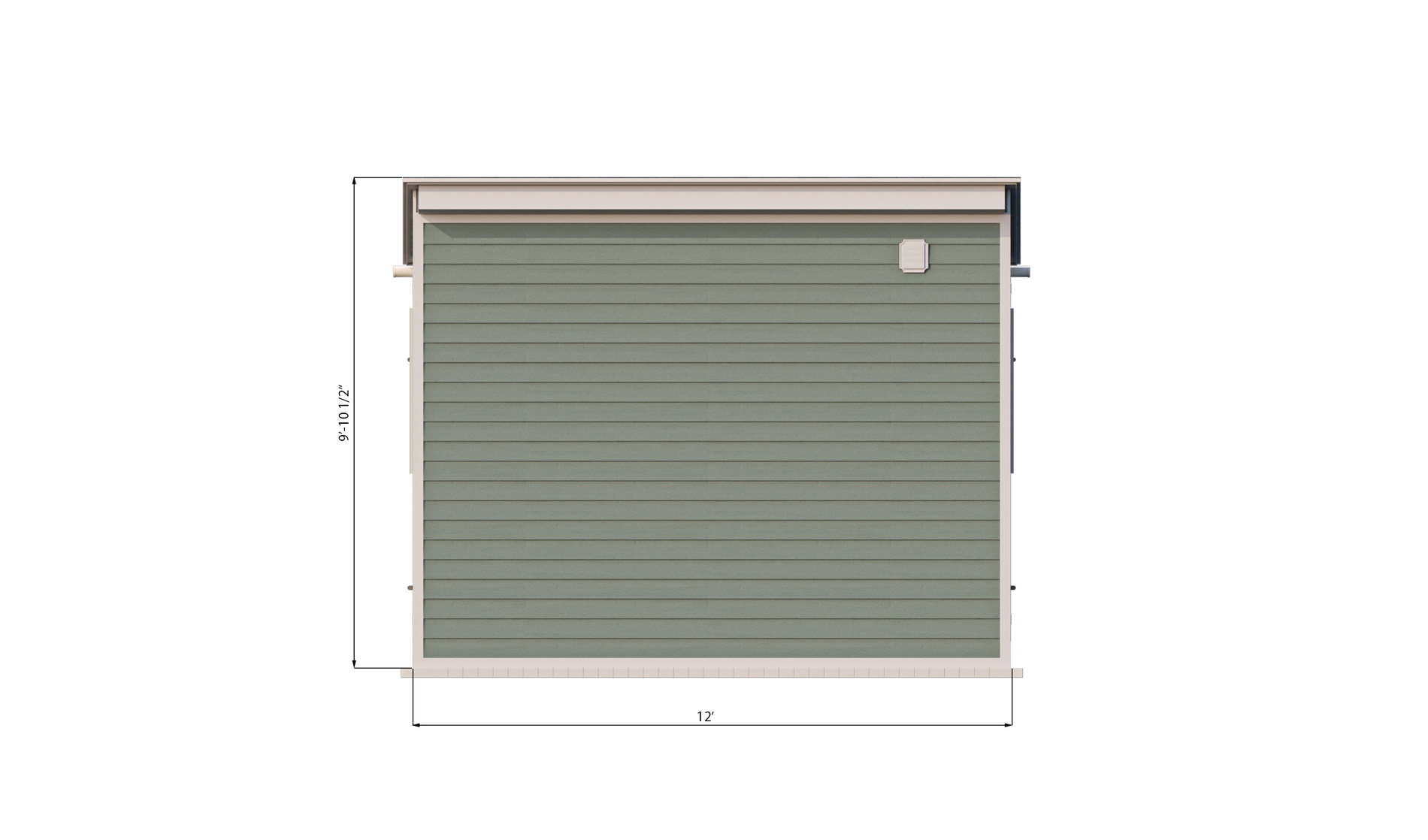
Innovative 8x12 Lean-To Shed Plans for a Unique Backyard Storage Solution
This document details innovative design considerations for an 8x12 lean-to shed, offering a unique and practical backyard storage solution. The plans presented emphasize maximizing space utilization, incorporating sustainable materials, and enhancing aesthetic appeal to complement existing landscaping. The design prioritizes functionality while minimizing environmental impact and maximizing visual integration with the surrounding environment.
I. Site Selection and Foundation Considerations
The success of any shed project begins with careful site selection. The chosen location should be level, easily accessible, and compliant with local building codes and homeowner association regulations. Consider proximity to existing structures, utilities, and potential drainage issues. A thorough site analysis should precede foundation work.
A. Leveling the Ground
Achieving a perfectly level foundation is crucial for structural integrity. Utilize a surveyor's level or a laser level to accurately determine the high and low points of the chosen area. Excavation and backfilling with compacted gravel or crushed stone are necessary to create a stable base. The depth of the foundation will depend on local frost lines and soil conditions, requiring consultation with local building professionals.
B. Foundation Options
Several foundation types are suitable for an 8x12 lean-to shed. These include:
- Concrete Slab: Offers superior durability and resistance to ground movement but requires more significant labor and material costs.
- Gravel Base with Pressure-Treated Skids: A cost-effective solution, particularly for well-drained soils. Pressure-treated lumber ensures longevity and resistance to rot and insects. Regular maintenance is crucial.
- Pier and Beam Foundation: Suitable for uneven terrain, this method involves setting concrete piers at strategic points to support the shed's framing.
The choice of foundation should align with the budget and site-specific conditions. Professional consultation is recommended for complex or challenging terrain.
II. Structural Design and Material Selection
The lean-to design provides a unique opportunity for creative structural solutions. This section explores optimized framing techniques and sustainable material options to create a robust and environmentally responsible structure.
A. Framing Optimization
The 8x12 footprint allows for efficient framing using standard lumber dimensions. A combination of 2x4s and 2x6s can be employed depending on snow load requirements and local building codes. Consider using engineered lumber for added strength and dimensional stability. Proper bracing and shear walls are essential for wind and snow resistance. Detailed framing plans, including measurements for rafters, studs, and joists, should be meticulously prepared before construction commences.
B. Sustainable Material Selection
Sustainable practices are integral to the design. Employing reclaimed or recycled lumber significantly reduces the environmental footprint of the project. Consider using locally sourced timber to minimize transportation emissions. The roof can be constructed using recycled metal sheeting or sustainable roofing materials such as recycled asphalt shingles or even green roofing options depending on climate and budget.
C. Lean-To Design Advantages
The lean-to design offers several advantages: it requires less material than a freestanding shed; it leverages an existing structure for support, minimizing foundation work; and its simple design simplifies construction. Properly designed, it can be aesthetically pleasing and function seamlessly with the existing landscape.
III. Enhanced Functionality and Storage Solutions
Maximizing storage capacity and incorporating user-friendly features are key considerations. This section outlines strategies to optimize space and enhance the shed's practicality.
A. Interior Layout and Shelving
Strategic placement of shelving maximizes vertical space. Adjustable shelving allows for flexibility in accommodating items of varying sizes. Consider integrating hooks and pegboards for hanging tools and other equipment. A workbench can be incorporated for small-scale projects. Careful planning of the interior layout optimizes functionality.
B. Door and Window Placement
The placement of doors and windows should be carefully considered for optimal light and ventilation. A large, double door provides convenient access for larger items. Windows can enhance natural light and ventilation, reducing reliance on artificial lighting and improving air quality. Consider the orientation of the shed to maximize sunlight and minimize heat gain.
C. Exterior Finishes and Aesthetics
The exterior finish should complement the existing structures and landscaping. Consider using natural wood stains or paints that blend with the surrounding environment. Adding decorative elements, such as trim or architectural details, can enhance the shed's aesthetic appeal. Landscaping around the shed can further integrate it into the overall backyard design.
IV. Building Codes and Permits
Before commencing construction, it is imperative to verify compliance with all applicable local building codes and obtain any necessary permits. These regulations vary significantly by location, and non-compliance can result in fines or demolition orders. Consulting with local authorities and obtaining all necessary permits before starting any work is crucial for a legal and successful project. The specific requirements for foundation depth, materials, and structural integrity will need to be researched thoroughly.
V. Conclusion
An 8x12 lean-to shed, when meticulously planned and constructed, offers a significant upgrade to backyard storage solutions. By carefully considering site selection, structural design, material choices, functionality, and compliance with building codes, homeowners can create a unique, aesthetically pleasing, and highly practical addition to their property. The innovative design strategies outlined in this document aim to inspire the creation of a durable, sustainable, and visually appealing lean-to shed that complements the surrounding landscape and enhances the overall functionality of the backyard.

0 comments:
Post a Comment
Note: Only a member of this blog may post a comment.